Every morning, 10-year-old Chinedu sat quietly at the back of his classroom in a primary school in Lagos. His teacher had started calling him “unserious.” “Chinedu, you’re always copying the wrong things from the board.” At home, his mother became worried. “Maybe he needs to study harder,” she thought. So she reduced his playtime and …

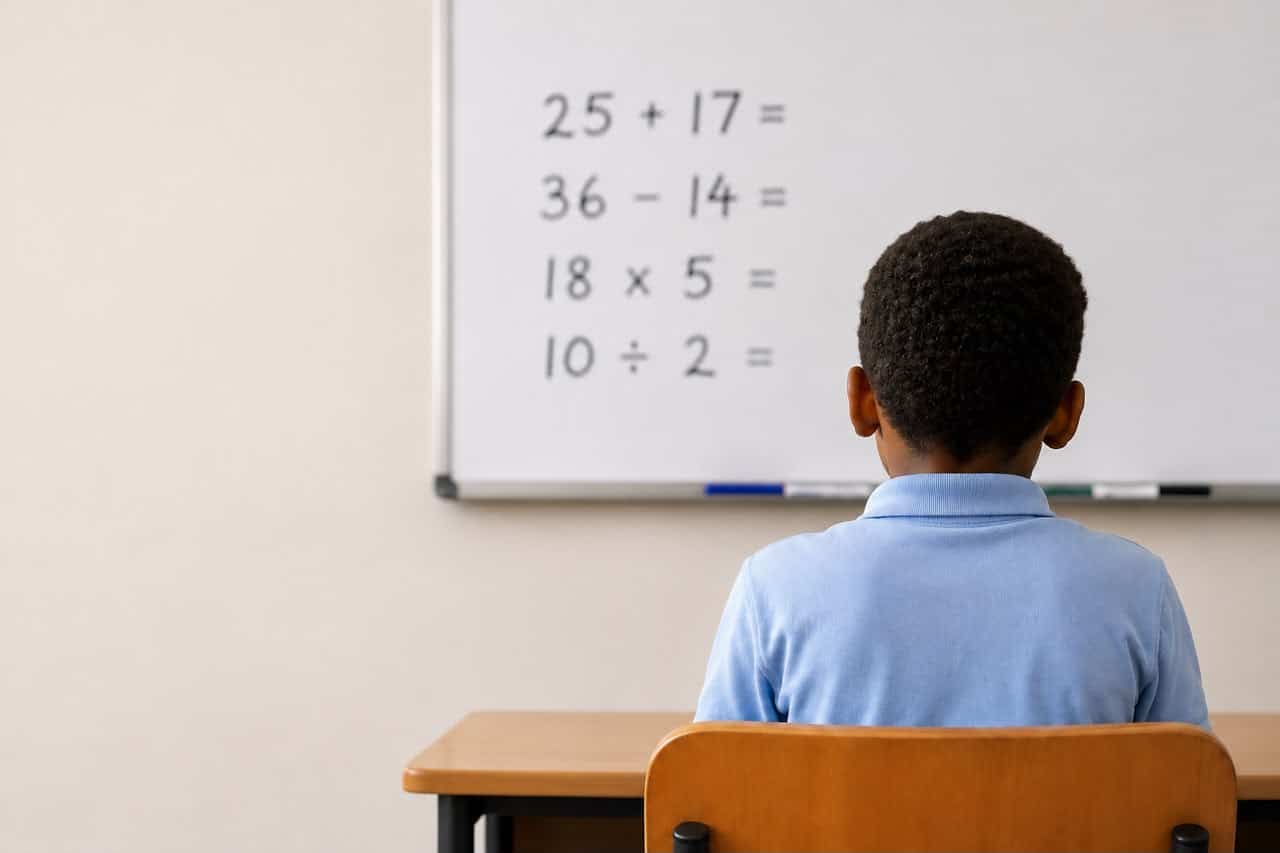
Every morning, 10-year-old Chinedu sat quietly at the back of his classroom in a primary school in Lagos.
His teacher had started calling him “unserious.”
“Chinedu, you’re always copying the wrong things from the board.”
At home, his mother became worried.
“Maybe he needs to study harder,” she thought.
So she reduced his playtime and made him spend more hours with his books.
But Chinedu still struggled.
One afternoon, his teacher noticed something unusual.
“Chinedu, come and sit in the front.”
The moment he moved closer to the board, his face changed.
“I can see it now, Mummy.”
That evening, his mother took him for an eye examination.
The result was simple: Chinedu was short-sighted.
He wasn’t lazy.
He wasn’t unintelligent.
He simply couldn’t see the board clearly.
After getting the right prescription glasses, everything changed.
His grades improved. His confidence returned, and his teacher finally understood what had really been happening.
The lesson?
Sometimes, what looks like poor academic performance may actually be a vision problem.
If your child squints, moves very close to books or screens, complains of headaches, struggles to see the board, or frequently rubs their eyes, don’t ignore it.
A simple eye test could make a huge difference.
Don’t wait until your child’s vision affects their education. Book an eye examination today.
Book a Consultation
It’s easy and free!
Tags: