
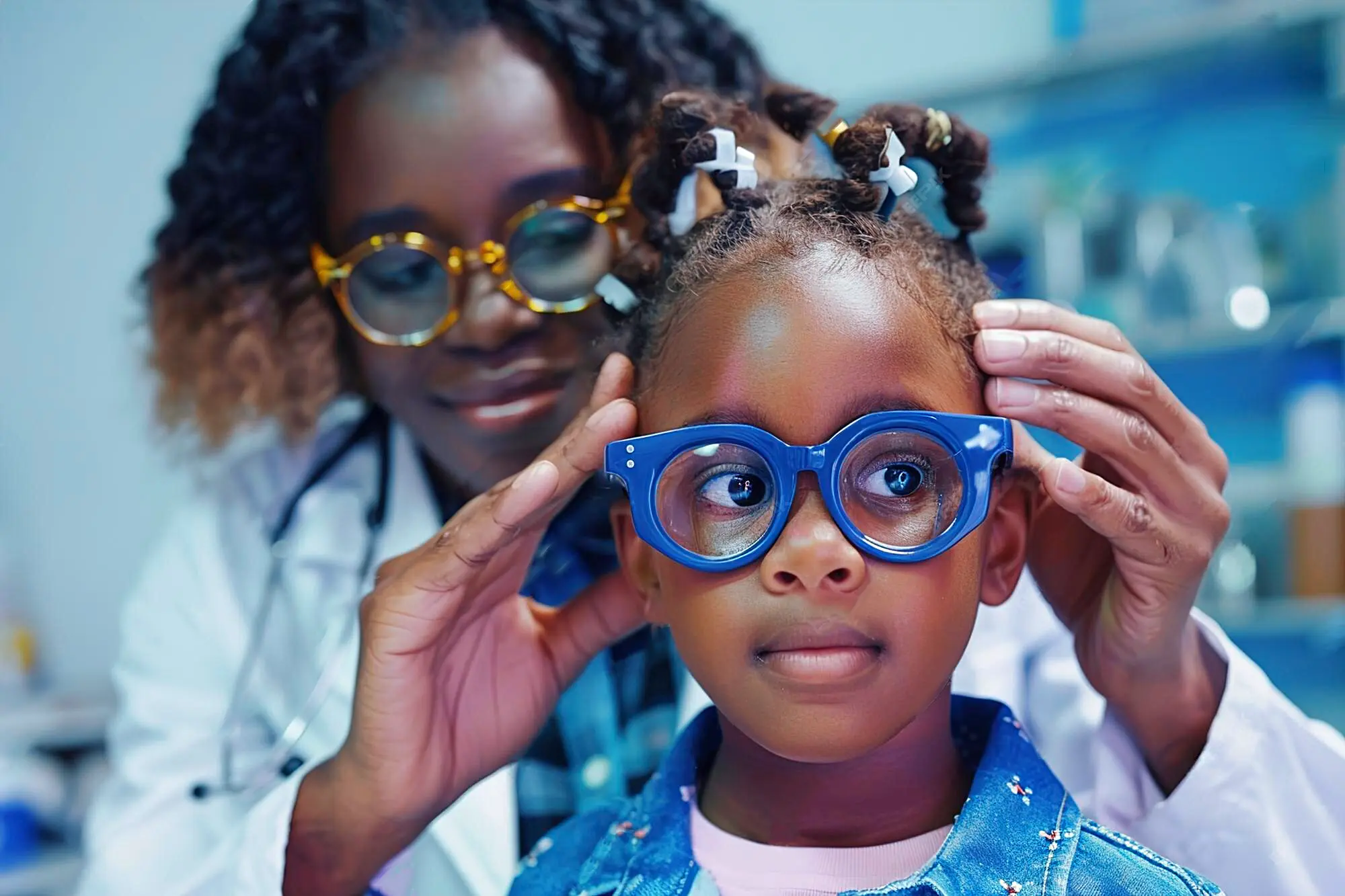
About this Programme
This service offers early detection of potential eye and vision problems at no cost. It is a one – time, comprehensive eye and vision assessment for babies, usually conducted between the ages of 6 and 12 months.
Frequently Asked Questions
What is the iCare InfantSee Programme?
The iCare InfantSee Programme is a no-cost, one-time vision and eye health assessment designed specifically for infants. It gives parents an early understanding of their baby’s visual development and helps detect potential issues long before they become noticeable. This simple visit provides reassurance that your baby’s sight is developing as it should during a very important growth stage.
Who is eligible for this service?
The programme is available to babies between six and twelve months of age. This window is ideal because the visual system is rapidly forming, and early detection at this stage makes it easier to correct or manage any issues before they impact learning, coordination, or overall development.
Why is early eye assessment important for infants?
Vision plays a major role in how babies explore, interact, and learn. Many early vision problems do not show clear signs, yet they can affect development if left undetected. An InfantSee assessment helps identify concerns such as eye misalignment, focusing challenges, or early signs of visual disorders, giving your child the best possible start with healthy, clear vision.
What should I expect during the appointment?
The assessment is gentle, non-invasive, and tailored specifically for infants. The doctor evaluates how the eyes track, focus, and respond to visual stimuli, while also checking overall eye health and development. Most sessions take about twenty to thirty minutes, and the experience is designed to keep babies comfortable and parents informed every step of the way.
What happens if the assessment reveals a concern?
If anything unusual is detected, the optometrist will explain the findings in clear, simple terms and guide you through the next steps. This may involve further evaluation, a follow-up visit, or referral to a pediatric eye specialist. The goal is always early intervention, ensuring your baby receives the right support as early as possible.